In real life, AI features aim to help with the situations people complain about most:
- “I can hear people talking, but I can’t understand them.”
- “Restaurants are exhausting.”
- “Background noise takes over.”
- “Voices sound muffled or far away.”
Newer hearing aids can analyze your environment in real time—then adjust directionality, noise reduction, and speech emphasis automatically. The goal is not just louder sound, but clearer speech.
Are AI hearing aids worth it?
For many people with mild to moderate hearing loss, the upgrade can feel significant—especially if you spend time in varied environments (social gatherings, errands, church, restaurants, meetings).
That said, AI isn’t magic. Even the best algorithms can misread a chaotic sound scene, and not all “AI” hearing aids perform the same. The right fit depends on:
- your hearing test results
- your lifestyle (busy vs. quiet routines)
- your comfort with automation vs. manual control
This is why professional programming and follow-up appointments matter so much—because the best technology still needs to be tuned to you.
Biometric sensors and hearing aids as wellness devices
Another major 2026 trend is hearing aids moving into the wellness category. Some devices have already introduced sensors that track basic health metrics, and the expectation is that monitoring will expand.
Depending on the model, features may include tracking indicators such as:
The benefit isn’t only “data for data’s sake.” These insights can support overall wellbeing—and may also help your hearing aids make smarter decisions about how to manage sound when your body is under strain (for example, when stress makes tinnitus feel louder).
It’s important to keep expectations realistic: these features are supportive tools, not medical diagnoses. But for many adults 55+, the idea of one device supporting both hearing and daily health habits is appealing.
Smaller, more comfortable, more discreet designs
Design keeps moving in the same direction: smaller, lighter, and less noticeable.
That matters because comfort is what determines whether you’ll wear hearing aids consistently. And consistent wear is what helps your brain adapt and get the best results.
In 2026, you’ll continue to see improvements like:
- better fit options (domes, molds, receiver styles)
- smoother edges and lighter materials
- more natural sound profiles
- less “plugged up” feeling for many wearers
The bigger story is that hearing aids are increasingly treated like glasses: a normal, helpful tool—not something to hide.
Rechargeable and more eco-friendly hearing aids
Rechargeable hearing aids are becoming the default for many brands, and the push toward sustainability is growing.
For adults 55+, rechargeable models can be a quality-of-life upgrade:
- no tiny disposable batteries to handle
- fewer last-minute battery emergencies
- simple overnight charging routines
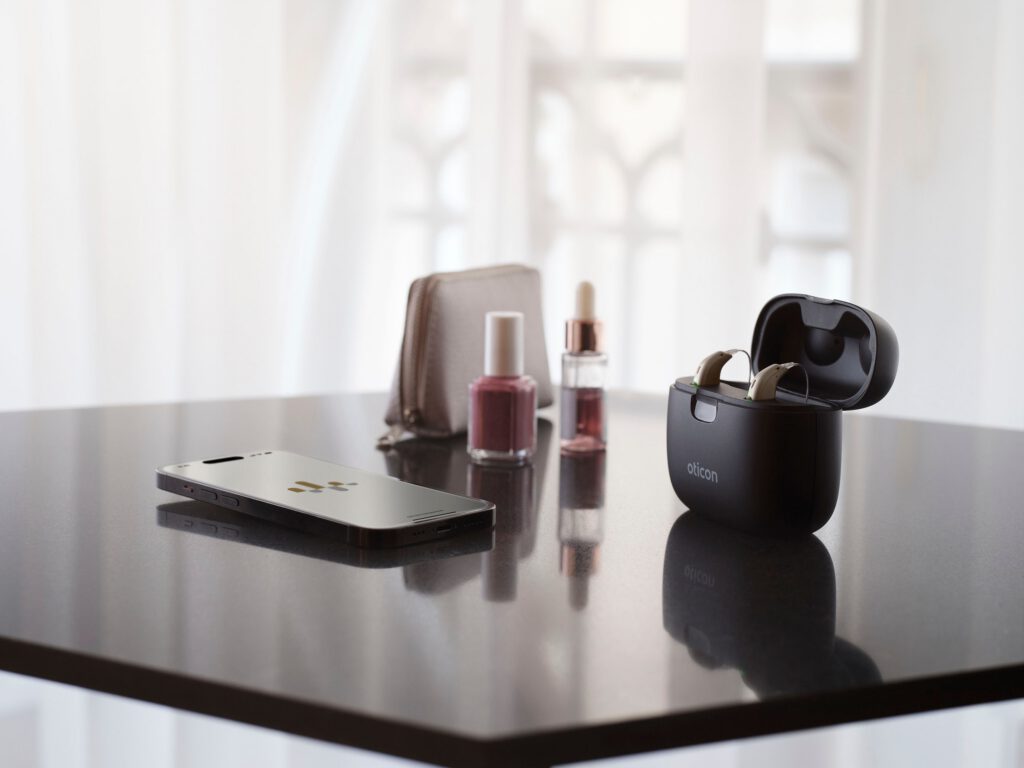
Charging cases are also getting more portable and reliable, so staying powered through the day becomes less of a concern.
Better Bluetooth and broader connectivity
Connectivity has improved a lot—and in 2026, hearing aids are becoming even more integrated with the devices you already use.
Common benefits include:
- clearer phone calls streamed directly to your hearing aids
- TV audio streaming without blasting the volume for everyone
- easier control through smartphone apps (volume, programs, battery)
The next step is broader integration—think smart home audio, wearables, and more seamless switching between devices. The end goal is simple: fewer steps, fewer dropouts, and less frustration.
Auracast: a new way to hear in public spaces
Auracast is one of the most exciting developments for public listening.
In simple terms, Auracast is a wireless audio broadcasting feature that can allow compatible hearing aids to connect directly to a venue’s sound system—like in:
Instead of needing special receivers or extra equipment, you could receive the audio stream right into your hearing aids.
Will Auracast make a real difference?
Potentially—especially in large venues where distance and echo make speech hard to understand.
But the real-world impact depends on adoption. Auracast only helps if venues install compatible systems, and that will happen gradually. It’s also not meant for every situation: it won’t matter much for one-on-one conversations at home. Think of it as a powerful tool for specific public environments.
Stigma continues to fade (and that’s a big deal)
One of the most meaningful shifts isn’t technical—it’s cultural.
As “hearables,” earbuds, and OTC options become more common, hearing technology looks more normal. And as hearing aids become smaller and more capable, more people feel comfortable getting help earlier.
That matters because earlier treatment often leads to:
- better long-term outcomes
If you’ve been waiting because you don’t want to “feel old,” it may help to reframe: hearing aids are about staying connected—to family, friends, and the life you enjoy.
The bottom line: the best hearing aid is the one that’s fitted and maintained
Hearing aid technology in 2026 is genuinely impressive: smarter sound processing, stronger connectivity, more wellness features, and new public streaming options.
But the most important factor is still the same: your hearing aids must be properly fitted, programmed, and maintained.
If you’re struggling with older devices—or you’re ready to explore hearing aids for the first time—an audiology visit can help you understand your options without pressure.
Ready to hear more clearly in 2026?
If you’re 55+ and noticing that hearing takes more effort than it used to, we’re here to help. Schedule a comprehensive hearing evaluation, a hearing aid consultation, or a clean-and-check appointment. With today’s technology and the right support, clearer hearing is more achievable than ever.