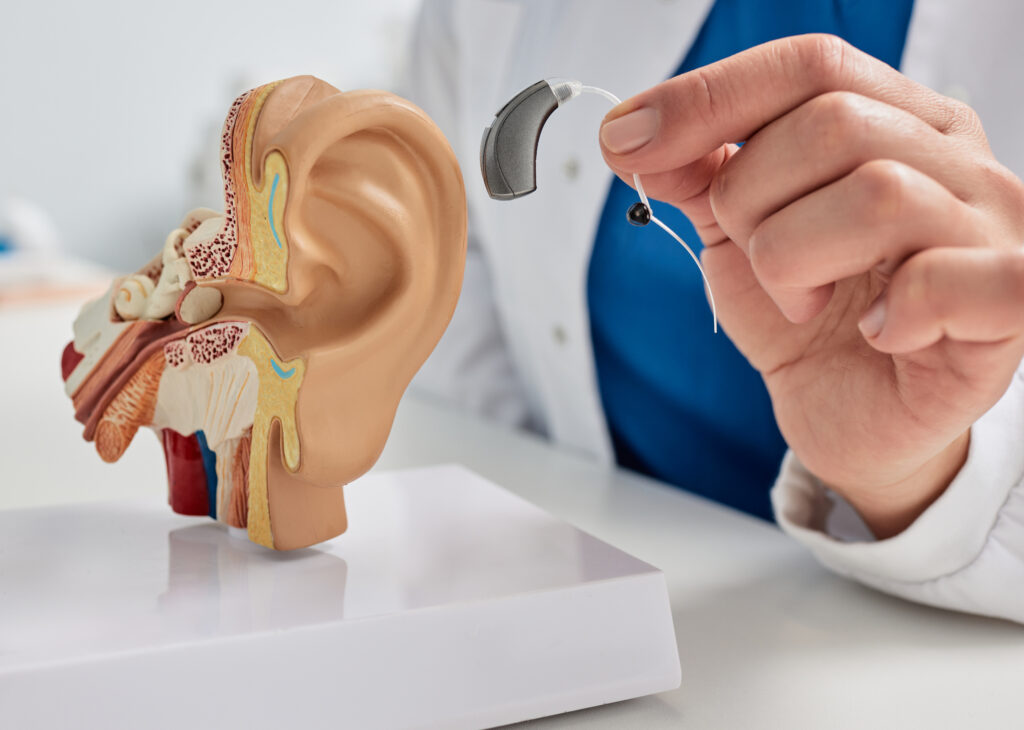
The start of a new year is a great time to check in on your hearing health. Many people make goals to exercise more, eat better food, or get more sleep. These are all wonderful ideas! However, there is one part of our health that we often forget about: our hearing.
Hearing is a very important part of our daily lives. It helps us talk to our friends, listen to our favorite music, and stay safe by hearing things like car horns or sirens. Because our hearing usually changes very slowly, we might not notice a problem right away. It is like a leaky faucet that drips so slowly you don’t realize the bucket is full until it overflows.
As we move through 2026, taking small steps now can help protect your ears for a long time. Whether you already wear hearing aids or just want to keep your ears healthy, these five tips will help you stay connected to the world around you.
Make Your Ears Part of Your Yearly Check-Up
Most people go to the dentist to check their teeth and the eye doctor to check their vision. We should do the same for our ears! A hearing test is a simple and painless way to see how well you are listening.
You might think you hear just fine, especially when it is quiet at home. But hearing loss often starts in noisy places first. You might find it harder to understand what people are saying at a busy restaurant or a birthday party. By getting a hearing test now, your doctor can see how your ears are doing today. This gives them a “map” to look at in the future to see if anything changes.
If you already have hearing aids, these check-ups are still very important. Just like a computer needs updates, hearing aids sometimes need to be adjusted to help you hear even better. Your doctor can make sure they fit comfortably and that the sound is crystal clear.
If you notice these things, it doesn’t mean you are getting old or lazy. It just means your ears might need a little help. Modern technology can help “clean up” the sound so your brain doesn’t have to work so hard. This leaves you with more energy to enjoy your day!
Protect Your Ears from Loud Noises
Loud noises are one of the biggest reasons people lose their hearing. The tricky part is that loud sounds don’t have to hurt to cause damage. Even sounds that we hear every day can hurt our ears if we hear them for a long time.
Think about these common loud sounds:
- Mowing the lawn: Lawnmowers are very loud and can hurt your ears if you use them every week without protection.
- Music: Listening to music with earbuds at a high volume is like putting a tiny speaker right against your eardrum.
- Sporting Events: Big games or concerts are fun, but the cheering and music can be very loud.
To keep your ears safe, remember the “Three Easy Steps”:
- Turn it down: Keep your music and TV at a level where you can still hear someone talking to you.
- Move away: If you are near something loud, like a construction site, try to walk to the other side of the street.
- Wear protection: Use earplugs or earmuffs if you know you will be around loud noises. They make special earplugs that still let you hear music clearly but keep the volume at a safe level.
Keep Your Ears and Hearing Aids Clean
To hear your best, your ears and your devices need to stay clean. Just like you wash your face and brush your hair, your ears need a little bit of care too.
For your hearing aids: If you wear hearing aids, tiny bits of dust or earwax can get stuck in them. This can make the sound fuzzy or quiet. It is a good habit to wipe them with a soft, dry cloth every night before you go to sleep. Your doctor can show you how to change the tiny filters that keep the inside of the hearing aid clean.
For your ears: Your ears actually clean themselves! Earwax is actually a good thing because it traps dust and keeps bugs out. You should never put a cotton swab (Q-tip) inside your ear. This can push the wax deeper and hurt your eardrum. If you feel like your ears are “plugged up,” the best thing to do is ask a grown-up or a doctor to help you.
Why Healthy Hearing Makes Life Better
Taking care of your ears is about more than just hearing sounds. It is about staying connected to the people you love. When you hear well, you can laugh at jokes, tell stories, and feel confident when you talk to others.
People who take care of their hearing often feel happier and more active. They don’t have to worry about missing out on what is happening around them. Whether it is a phone call from a grandchild or a whisper from a friend, being able to hear clearly makes every moment more special.
Looking Forward to a Great Year
You don’t have to wait until you have a big problem to start thinking about your ears. In fact, starting today is the best way to make sure you hear great for all of 2026 and beyond.
If you ever have questions, don’t be afraid to ask. Doctors like Dr. Beck love to help people find the joy in listening again. Sometimes, the first step to a healthier tomorrow is simply saying, “I want to hear better.”
By following these simple habits, you are choosing to take care of yourself. You are making sure that you can hear the music, the laughter, and the world around you for a long, long time. Happy listening in 2026!
Ready to hear the world more clearly? Schedule your hearing check-up today to stay connected to the sounds and people you love.
Or call us at (703) 941-9552 to book your appointment. Take the first step toward a healthier tomorrow right now!